19 milestones, from the first hormone ever identified to today’s incretin drugs. Every entry links to its source.
1902–1921
Foundations
Hormones are discovered — and many turn out to be peptides.
1902
[Discovery]
1902: Secretin: the first hormone
William Bayliss and Ernest Starling show that a substance released by the gut lining, which they name secretin, travels in the blood to trigger pancreatic secretion. It is the first hormone ever identified, and it is a peptide.
At the University of Toronto, Frederick Banting and Charles Best, working with J.J.R. Macleod and later James Collip, isolate insulin. A boy with diabetes receives the first injection in January 1922, and Banting and Macleod share the 1923 Nobel Prize.
Peptides are sequenced, synthesised and mapped in the brain.
1953
[Method]
1953: Oxytocin is synthesised
Vincent du Vigneaud’s team determines the structure of oxytocin and makes it in the lab, the first synthesis of a polypeptide hormone. He receives the 1955 Nobel Prize in Chemistry.
Frederick Sanger completes the full amino-acid sequence of insulin, proving that proteins have a defined, genetically determined order of residues. He wins the 1958 Nobel Prize in Chemistry.
Bruce Merrifield anchors a growing peptide chain to an insoluble resin bead, turning slow, step-by-step chemistry into a fast, automatable process. The method underpins nearly every synthetic peptide made today and earns him the 1984 Nobel Prize in Chemistry.
Paul Brazeau, Roger Guillemin and colleagues isolate a hypothalamic peptide that inhibits growth-hormone release and name it somatostatin: the brake on the growth-hormone axis.
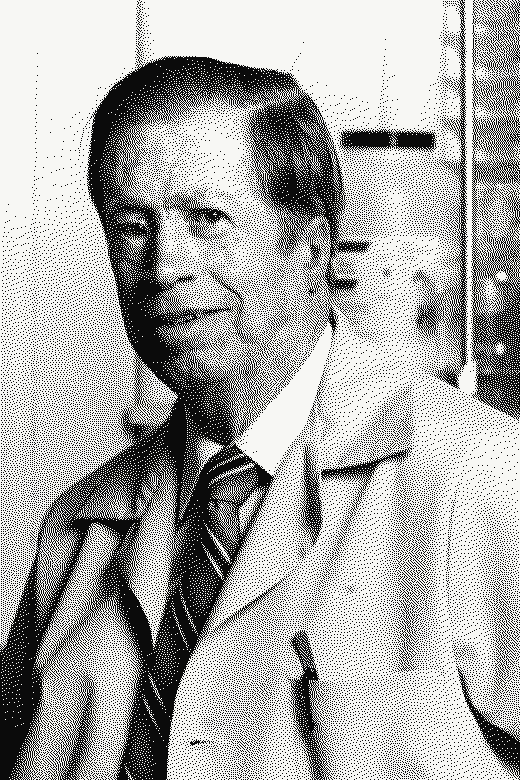
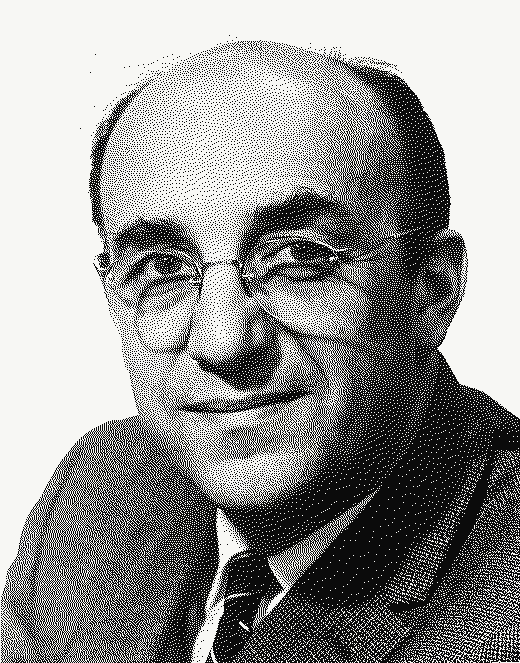
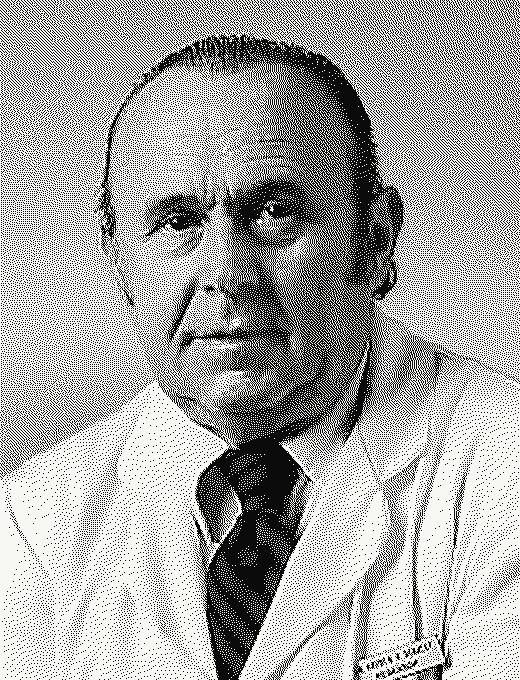
Roger Guillemin and Andrew Schally share half of the Nobel Prize in Physiology or Medicine for discovering peptide hormones made in the hypothalamus that control the pituitary gland. Rosalyn Yalow receives the other half for radioimmunoassays of peptide hormones.
Engineered cells make human peptides; the incretin story begins.
1982
[Approval]
1982: Recombinant human insulin approved
The FDA approves Humulin, human insulin produced by genetically engineered bacteria. It is the first medicine made with recombinant DNA technology to reach the market.
1987
[Discovery]
1987: GLP-1 turns out to release insulin
Svetlana Mojsov, Gordon Weir and Joel Habener show that GLP-1(7-37), a fragment encoded in the glucagon gene, is a potent stimulator of insulin release. The finding opens the path to today’s incretin drugs.
1992
[Discovery]
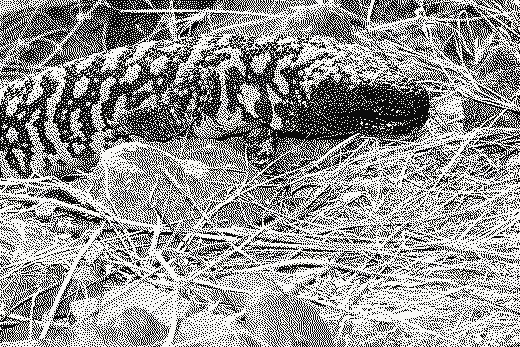
1992: Exendin-4 found in Gila monster venom
John Eng isolates exendin-4 from the venom of the Gila monster. It resembles GLP-1 but resists breakdown far longer, and a synthetic version becomes the first GLP-1 receptor agonist drug.
The World Anti-Doping Agency is established to coordinate anti-doping rules across sports. Its annual Prohibited List now covers many peptide hormones and growth factors.
2005–2019
The analogue era
Longer-lasting designer peptides reach the clinic.
2005
[Approval]
2005: Exenatide: the first GLP-1 drug
The FDA approves exenatide (Byetta), synthetic exendin-4, for type 2 diabetes. It is the first approved GLP-1 receptor agonist.
2010
[Approval]
2010: Liraglutide approved
The FDA approves liraglutide (Victoza), a once-daily GLP-1 analogue with a fatty-acid side chain that lets it bind albumin and circulate for much longer, for type 2 diabetes.
The FDA approves bremelanotide (Vyleesi), a melanocortin receptor agonist also known as PT-141, for acquired, generalised hypoactive sexual desire disorder in premenopausal women.
GLP-1 medicines go mainstream; regulators and sport respond.
2021
[Approval]
2021: Semaglutide approved for weight management
The FDA approves semaglutide (Wegovy) for chronic weight management in adults with obesity or overweight with at least one weight-related condition: the first new drug for that use since 2014.
WADA’s 2022 Prohibited List names BPC-157 as an example under S0, Non-approved substances: drugs with no current approval by any government health authority for human therapeutic use, banned in sport at all times.